India,

7:29:02 am

leading the redesign of a saas staffing vertical

leading the redesign of a saas staffing vertical

background

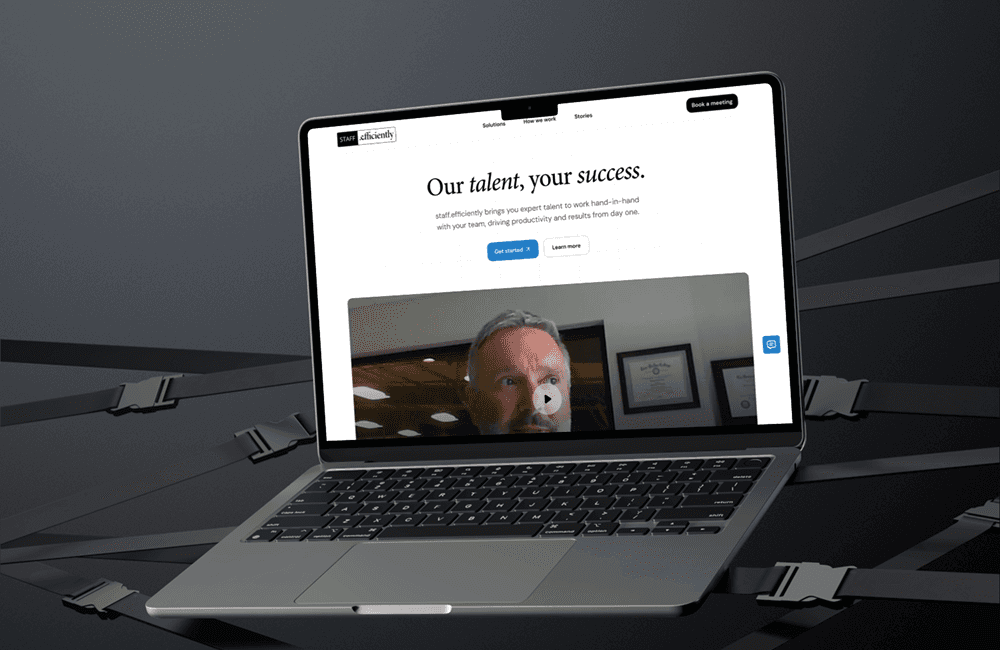
staff.efficiently connects architecture and construction firms in the us with vetted offshore talent across architecture, engineering, and estimation.
the product existed but wasn't performing.
the design was fragmented and the value wasn't landing fast enough for busy firm owners who don't have time to scroll.

staff.efficiently connects architecture and construction firms in the us with vetted offshore talent across architecture, engineering, and estimation.
the product existed but wasn't performing.
the design was fragmented and the value wasn't landing fast enough for busy firm owners who don't have time to scroll.

challenge

how do you redesign a b2b saas vertical so it communicates trust, value, and simplicity to time poor construction firm owners, fast enough to actually convert them?

my role

design manager leading the full redesign.
owned design strategy, led the team of 2, collaborated directly with founder, product and engineering, and drove end to end execution.

design manager leading the full redesign.
owned design strategy, led the team of 2, collaborated directly with founder, product and engineering, and drove end to end execution.

outcomes

  • led the full redesign of the staff.efficiently vertical end to end

  • rebuilt information hierarchy to surface value and trust signals within the first scroll

  • tightened the conversion path from landing page to inquiry form

  • reduced post launch design issues by 27% through structured critique and research led process
the full story

the full story

efficiently is a saas platform built for the us architecture and construction industry. staff.efficiently is its staffing vertical, connecting firms with pre vetted offshore professionals on flexible monthly contracts.

the promise was strong.
scale your team without the overhead. but the product wasn't communicating that promise well enough. my job was to change that.

efficiently is a saas platform built for the us architecture and construction industry. staff.efficiently is its staffing vertical, connecting firms with pre vetted offshore professionals on flexible monthly contracts.

the promise was strong.
scale your team without the overhead. but the product wasn't communicating that promise well enough. my job was to change that.

where things were breaking

where things were breaking

1. value wasn't landing fast enough
construction firm owners are busy. they don't scroll looking for answers. the page had to communicate the core value within the first scroll. it wasn't doing that.

2. trust signals were weak
b2b hiring is a high stakes decision. firms needed to trust that the talent was real, vetted, and experienced in us based projects. the existing design wasn't building that confidence quickly enough.

3. the conversion path was too long
users who were interested had too many steps between landing and reaching out. the path from interest to inquiry needed to be much tighter.

1. value wasn't landing fast enough
construction firm owners are busy. they don't scroll looking for answers. the page had to communicate the core value within the first scroll. it wasn't doing that.

2. trust signals were weak
b2b hiring is a high stakes decision. firms needed to trust that the talent was real, vetted, and experienced in us based projects. the existing design wasn't building that confidence quickly enough.

3. the conversion path was too long
users who were interested had too many steps between landing and reaching out. the path from interest to inquiry needed to be much tighter.

how i approached it

led the team through a structured redesign process, starting with the user and working backwards to the interface.
ran weekly design critiques.
kept the work close to product and engineering. made sure every decision had a clear rationale tied to either conversion or trust, not just aesthetics.

led the team through a structured redesign process, starting with the user and working backwards to the interface.
ran weekly design critiques.
kept the work close to product and engineering. made sure every decision had a clear rationale tied to either conversion or trust, not just aesthetics.

initial research

studied how competing staffing and offshore talent platforms positioned themselves:
upwork → broad but generic. no construction-specific credibility
toptal → premium positioning, strong trust signals, high barrier to entry
traditional staffing firms → slow, expensive, no digital presence

key insights:
— construction firms trusted specificity over polish. 'architects with revit experience for us projects' beat generic
talent claims
— social proof from firm owners carried more weight than feature lists
— the hiring decision was emotional as much as rational — fear of a bad hire was the real barrier

studied how competing staffing and offshore talent platforms positioned themselves:
upwork → broad but generic. no construction-specific credibility
toptal → premium positioning, strong trust signals, high barrier to entry
traditional staffing firms → slow, expensive, no digital presence

key insights:
— construction firms trusted specificity over polish. 'architects with revit experience for us projects' beat generic
talent claims
— social proof from firm owners carried more weight than feature lists
— the hiring decision was emotional as much as rational — fear of a bad hire was the real barrier

strategy & direction

the redesign focused on three things.
— leading with specificity: show exactly who the talent is, what they know, and what kind of projects they've
worked on
— trust at every scroll: testimonials, vetting process, dedicated account manager — surface it all early
— tighter conversion path: fewer steps from landing to inquiry, cleaner cta placement

the redesign focused on three things.
— leading with specificity: show exactly who the talent is, what they know, and what kind of projects they've
worked on
— trust at every scroll: testimonials, vetting process, dedicated account manager — surface it all early
— tighter conversion path: fewer steps from landing to inquiry, cleaner cta placement

what we did

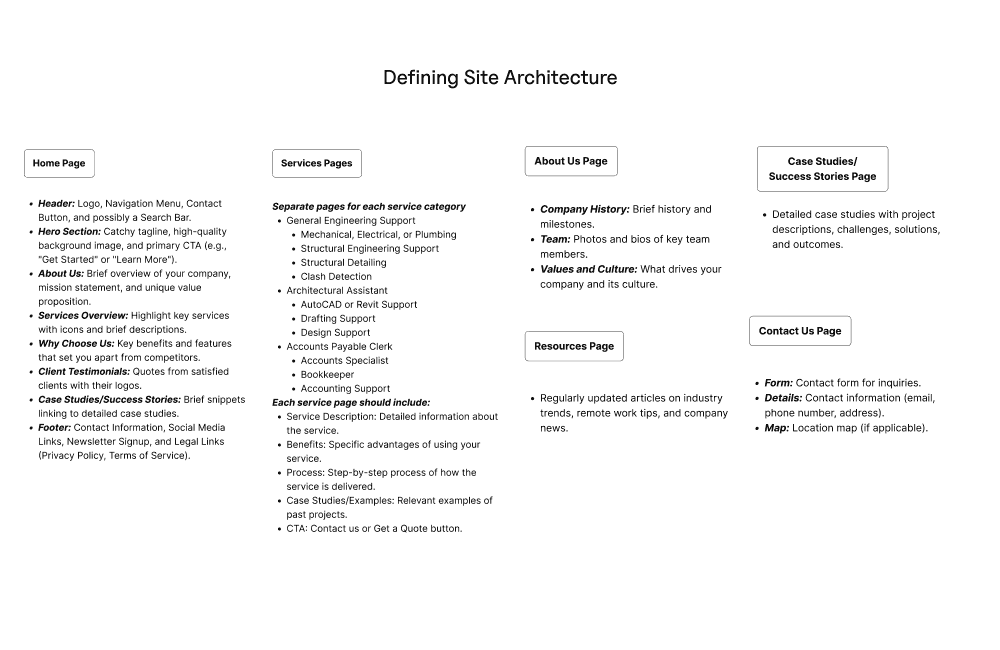
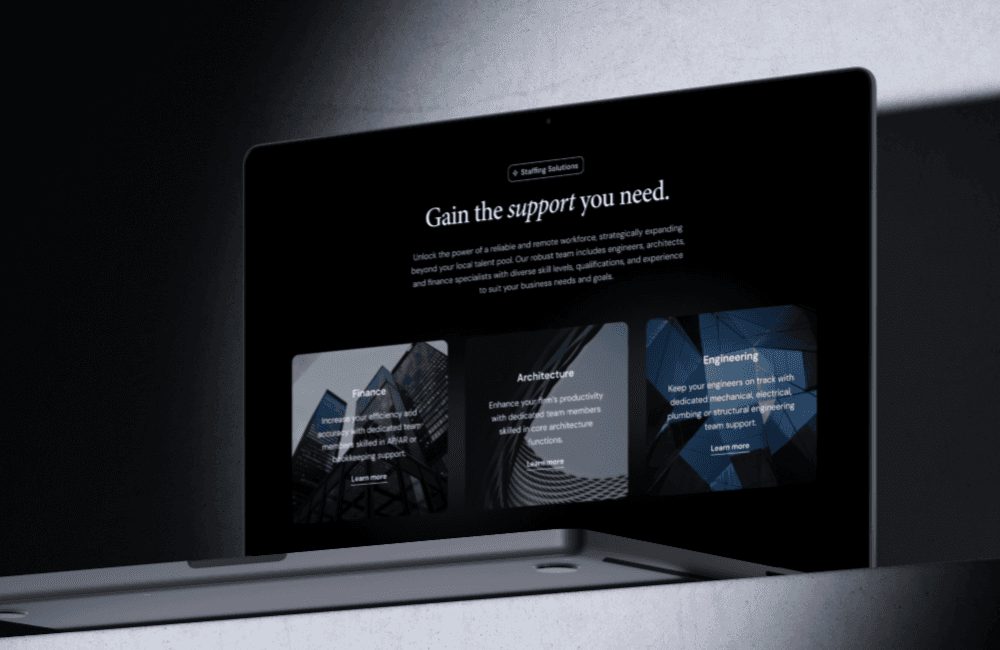
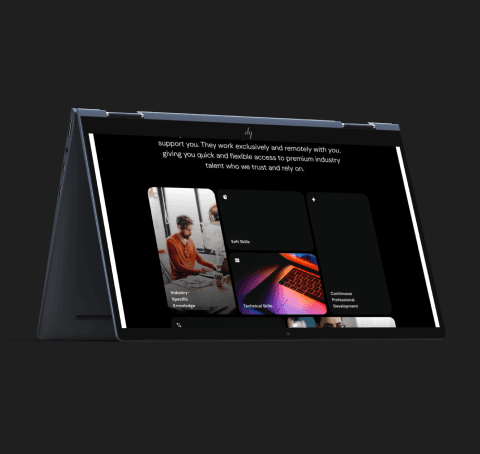
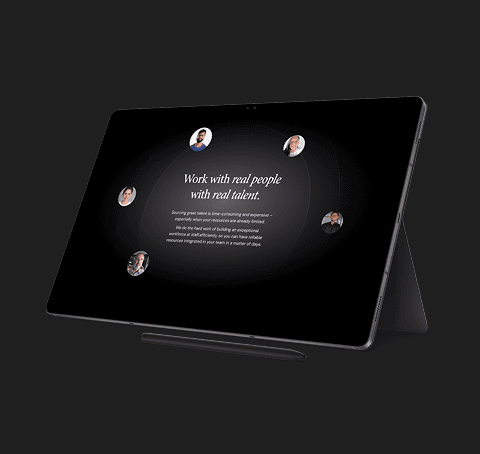
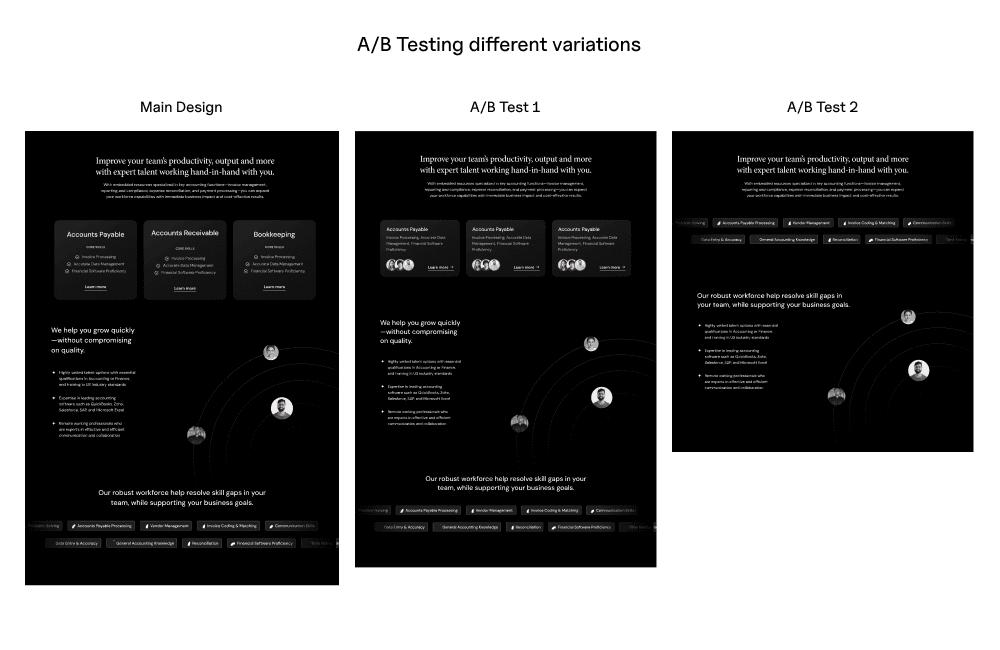
led the team through the full redesign, hero section, talent cards, social proof blocks, how it works flow, and inquiry form.
rebuilt the information hierarchy so the most important things appeared first.

ran structured design critiques throughout. kept the team aligned on what we were solving for, not just what we were making.
every design decision was pressure tested against one question. does this build trust or create doubt?

led the team through the full redesign, hero section, talent cards, social proof blocks, how it works flow, and inquiry form.
rebuilt the information hierarchy so the most important things appeared first.

ran structured design critiques throughout. kept the team aligned on what we were solving for, not just what we were making.
every design decision was pressure tested against one question. does this build trust or create doubt?

the impact of work

+27%

increase in inquiry form submissions post redesign

~20%

improvement in user satisfaction score from onboarding feedback

~35%

reduction in bounce rate on the staffing landing page

+10%

increase in user engagement across the platform

key learnings

  • b2b design is a trust problem before anything else. before anyone fills out a form, they need to believe the product is real and the company will show up.

  • leading a redesign is different from doing a redesign. your job is to create the conditions for good decisions, not to make all of them yourself.

  • specificity converts better than polish. in construction, revit plus us project experience beats a beautiful generic hero image every time.

  • post launch issues drop when you invest in research before design. that 27% reduction wasn't luck, it was systematic feedback loops built into the process from day one.